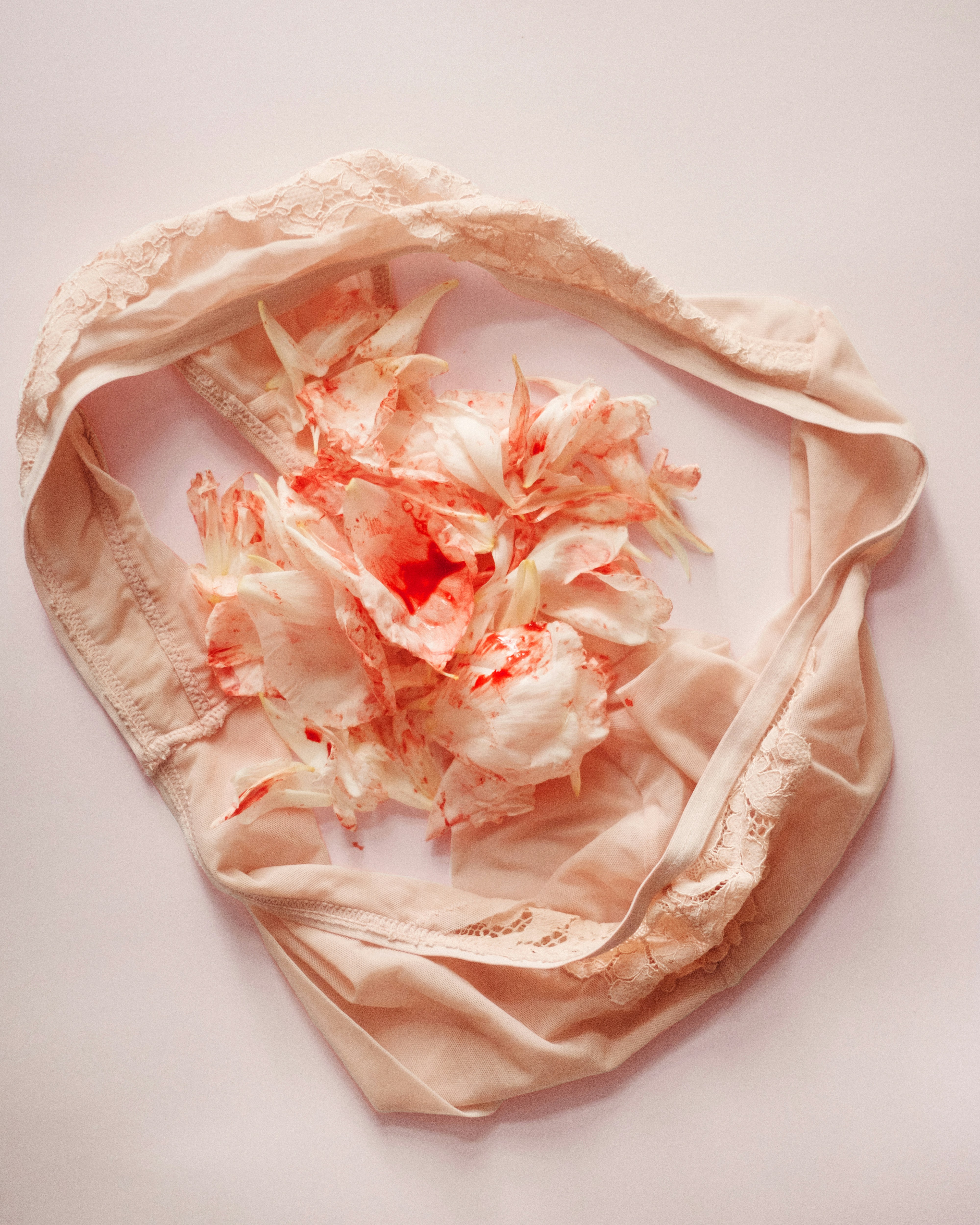
Your menstrual cycle is more than just a monthly bleed - it’s a beautifully complex rhythm that influences your pelvic health in many ways.
Understanding the ups and downs of your cycle can be a powerful tool to track and manage pelvic pain symptoms. This blog will break down your cycle’s phases and common menstrual symptoms, helping you connect the dots between hormones and how you feel day-to-day.

What is the menstrual cycle and why does it matter for pelvic symptoms?
Your menstrual cycle actually consists of two interconnected cycles: the ovarian cycle and the uterine cycle. On average, it lasts between 21 and 35 days, though it can vary widely between people.
The ovarian cycle focuses on producing and releasing an egg, along with key hormone fluctuations like oestrogen and progesterone. The uterine cycle preps your uterus lining for a possible pregnancy and sheds it if there’s no fertilisation—that’s your period.
Tracking these changes helps you notice how your body reacts during each phase, especially if you experience pelvic pain or other menstrual symptoms. By observing patterns, you gain insights that can guide pelvic health management.
What are the main phases of the ovarian cycle?
Follicular Phase (Day 1 to Ovulation)
This phase begins on the first day of your period and ends at ovulation. Tiny sacs in your ovaries, called follicles, start developing. One dominant follicle will release a mature egg. Meanwhile, the pituitary gland produces follicle-stimulating hormone (FSH), prompting your ovaries to get ready. As the dominant follicle grows, it releases oestrogen, which peaks just before ovulation.
Ovulation (Around Day 14)
Ovulation is when the mature egg is released into the fallopian tube, triggered by a surge in luteinising hormone (LH). Testosterone also rises, boosting sexual desire along with high oestrogen levels.
Luteal Phase (Ovulation to Next Period)
After ovulation, the empty follicle turns into the corpus luteum, pumping out progesterone (and some oestrogen) to prepare for pregnancy. If no fertilised egg implants, hormone levels drop 9–11 days later, triggering your next period.
What happens in the uterine cycle?
Menstruation
If fertilisation doesn’t occur, hormone levels fall and your uterine lining sheds—your period. Oestrogen and progesterone are lowest here.
Proliferative Phase
After menstruation, rising oestrogen signals the uterus to rebuild and thicken its lining until ovulation.
Secretory Phase
Post-ovulation, progesterone thickens and enriches the lining. If pregnancy doesn’t happen, the lining breaks down and prostaglandins help shed it, causing your next period.
What are some common menstrual cycle symptoms?
Pelvic Pain & ‘Stomach’ Cramping:
Prostaglandins trigger uterine muscle contractions during ovulation and menstruation.
Bloating:
Rising oestrogen causes water retention; progesterone slows digestion, leading to bloating.
Digestive changes:
A drop in progesterone and rise in prostaglandins can cause constipation before your period or looser stools during it.
How can contraceptives affect menstrual cycle symptoms?
Different birth control methods influence your cycle in different ways. Here’s a quick rundown:
Combined Oral Contraceptive Pills
(Eg. Microgynon, Yasmin, Diane-35)
Contain both oestrogen and progestin, which prevent ovulation and can make periods lighter—or even disappear if skipping the sugar pills.
Progesterone-Only Pills (Mini Pill)
(Eg. Microlut, Noriday, Slinda)
Contain only progestin, which thins the uterine lining and can make periods lighter and less painful.
Intrauterine Device (IUD)
(Eg. Mirena)
Releases levonorgestrel, a progestin that can suppress ovulation and thin the uterine lining, often reducing bleeding.
GnRH Agonists
(Eg. Zoladex, Lupron, Synarel)
Temporarily suppress oestrogen and progesterone by down-regulating hormone production. It’s like a short-term menopause.
GnRH Antagonists
(Eg. Ryeqo)
Block hormone signals in the brain, stopping the release of LH and FSH. This also leads to a temporary menopause-like state.
Tips for tracking your menstrual cycle and symptoms?
Tuning into your cycle is a powerful tool for understanding your body. Here’s how to start:
- Mark Day 1 of your period to track when bleeding starts.
- Track ovulation—it usually happens 14 days before your next period.
- Note down how you feel daily—mood, energy, cravings, focus, sleep.
- Look for patterns: Do certain phases feel easier? What feels hard? What helps?
Understanding your menstrual cycle isn’t just about knowing when your period is coming—it’s about connecting with your body on a deeper level, knowledge truly is power.
Other Blogs in the Pelvic Pain Series
Deep dive into education written by our pelvic physiotherapist, Claire, all about the pelvic pain – including symptoms, treatment & understanding the range of associated factors and conditions.

Menstrual Cycle: Understanding Your Cycle for Pelvic Pain Symptoms

Pelvic Pain & The Stress Response Cycle


Do you want to learn more about pelvic health, specialised to your symptoms?
