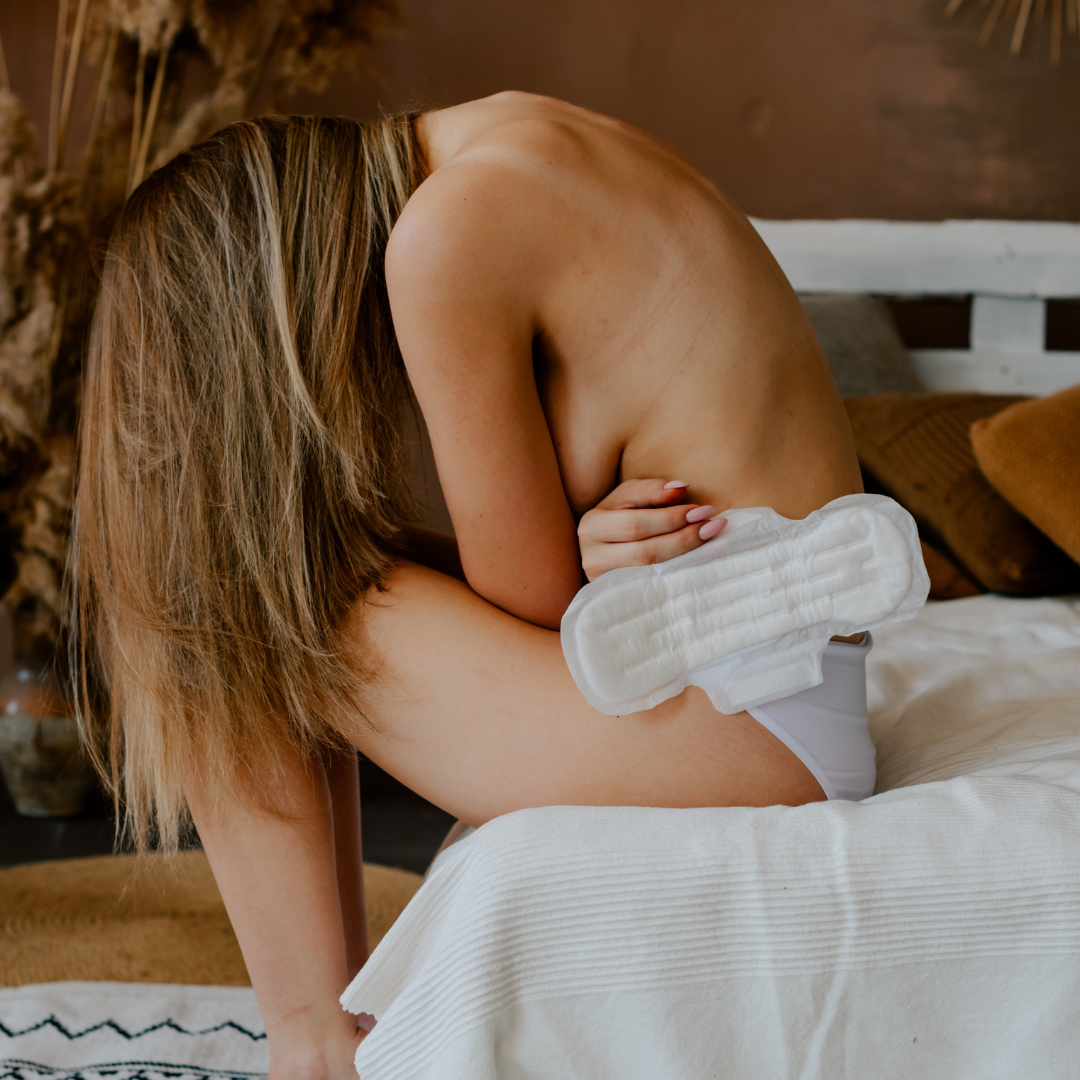
Helpful Strategies: Period Discomforts

For many people, the monthly arrival of their menstrual cycle can bring along unwelcome visitors – period pain and discomfort. While some individuals may experience mild discomfort, others may be overwhelmed with intense pain that interferes with their daily lives, make period pain both physically and emotionally taxing.
In this blog, we’ll delve into effective strategies to help manage period pain from a physiotherapy perspective.
Understanding Period Pain
Before diving into the management techniques, it’s essential to understand the different types of period pain and their potential causes. There are two primary types of dysmenorrhea: primary and secondary.
Primary Dysmenorrhea: This type of period pain occurs without any underlying medical condition and usually begins one to two years after a woman starts menstruating. Primary dysmenorrhea is often caused by increased levels of prostaglandins, hormone-like substances that trigger uterine contractions to expel the uterine lining. These contractions can cause pain and cramping during menstruation.
Secondary Dysmenorrhea: Secondary dysmenorrhea is associated with an underlying medical condition, such as endometriosis, adenomyosis, fibroids, or pelvic inflammatory disease. The pain is usually more severe and may occur earlier in the menstrual cycle compared to primary dysmenorrhea.

Helpful Strategies!
It’s not all bad news! There are many things you can do to improve your symptoms, and make life during your cycle as peachy as possible.
Now, let’s explore some practical strategies to manage period pain and improve overall well-being.
Exercise
Engaging in exercise can help in a number of ways which can help reduce your period discomforts. Exercise helps release endorphins, the body’s natural painkillers, it promotes better blood circulation which can reduce cramps. Exercise can help with hormone imbalances and reduce the levels of prostaglandins which contribute to uterine contractions and pain. Additionally, exercise is known to boost your mood by promoting the release of neurotransmitters like serotonin and dopamine. The best part is, you can choose to exercise however you like!
Heat
Applying heat to the lower abdomen can provide quick relief from menstrual cramps. A hot water bottle, heating pad, or warm towel can relax the uterine muscles and reduce discomfort. Warm baths and showers are also effective ways to soothe the body and ease tension during menstruation. Heat works by relaxing muscles that may be tense, promotes blood circulation to help with inflammation and creates a soothing and comforting sensation which can have a positive impact on stress levels and mood.
Stretching
Stretching can be a valuable method for relieving period pain, it can help by addressing muscle tension of muscles in the back, hips and pelvic floor, improves blood flow and promotes a calming effect of the body. Muscle spams are involuntary contractions and can contribute to pain, by promoting flexibility of our muscles through regular stretching we can help decrease the occurrence of such painful spasms.
You can find some helpful stretches here.
Diaphragmatic Breathing
Diaphragmatic breathing or belly breathing can be a helpful technique for dysmenorrhea. By practicing this style of breathing in our daily lives, we are promoting the synchronicity of the pelvic floor muscles and the diaphragm moving together like dance partners which promotes flexibility and length of both muscles. Using diaphragmatic breathing during a pain flare can assist with reducing your pain by activating the parasympathetic nervous system (the “rest and digest” mode) which can help lower pain perception and reduce stress and anxiety.
TENS Machine
A Transcutaneous Electrical Nerve Stimulation (TENS) device is a non-invasive pain relief method that involves the use of low-voltage electrical currents to provide therapeutic benefits. It works based on the pain gate theory which suggests that the brain can only process a certain amount of sensory information at a time. By introducing a different sensory input (the electrical stimulation from the TENS machine), the brain may become less sensitive to pain signals coming from the uterus and lower abdomen. TENS are available in many different styles these days including options that are discreet and portable.
Self-Care
Self care can look like very different from person to person and can range from a skincare ritual, to reading a book, to prioritising time spent with your friends, to learning a new TikTok dance. It is all about making time to do something that brings your joy or truly “fills your cup”. The output of pain is influenced by not only what is going on with your body physically but how you’re coping emotionally, and this is often overlooked. Spending the time to check in with how you’re doing and finding time to do something that you love can have a positive influence on the pain you experience during your period.

Understand your body & it's cycle!
The sexual education we receive as we first start menstruating can be limited at best – although an understanding of your body and it’s cycles can be very empowering!
Learning about your own body and menstrual cycle can make a huge difference in how you can manage your period pain. Tracking your cycle using an app can be a great place to start (The QENDO App is a good one). It can be a daunting and lengthy process but the more you learn about your body, the easier it will be to adapt these strategies on particular days of your cycle.
If you’d like to learn more about your cycle and your hormones, another useful resource is the podcast or book “Period Queen” by Lucy Peach, in this podcast and book Lucy explores the phases of the mental cycle and teaches how to “hack your hormones” to make the most of your cycle.
Period pain is a common experience for many individuals, but it doesn’t have to be a debilitating one. Remember, each person’s experience is unique, so finding the right combination of strategies may require some trial and error and at The Healthy Peach Physio we’re here to help guide you along your journey!


