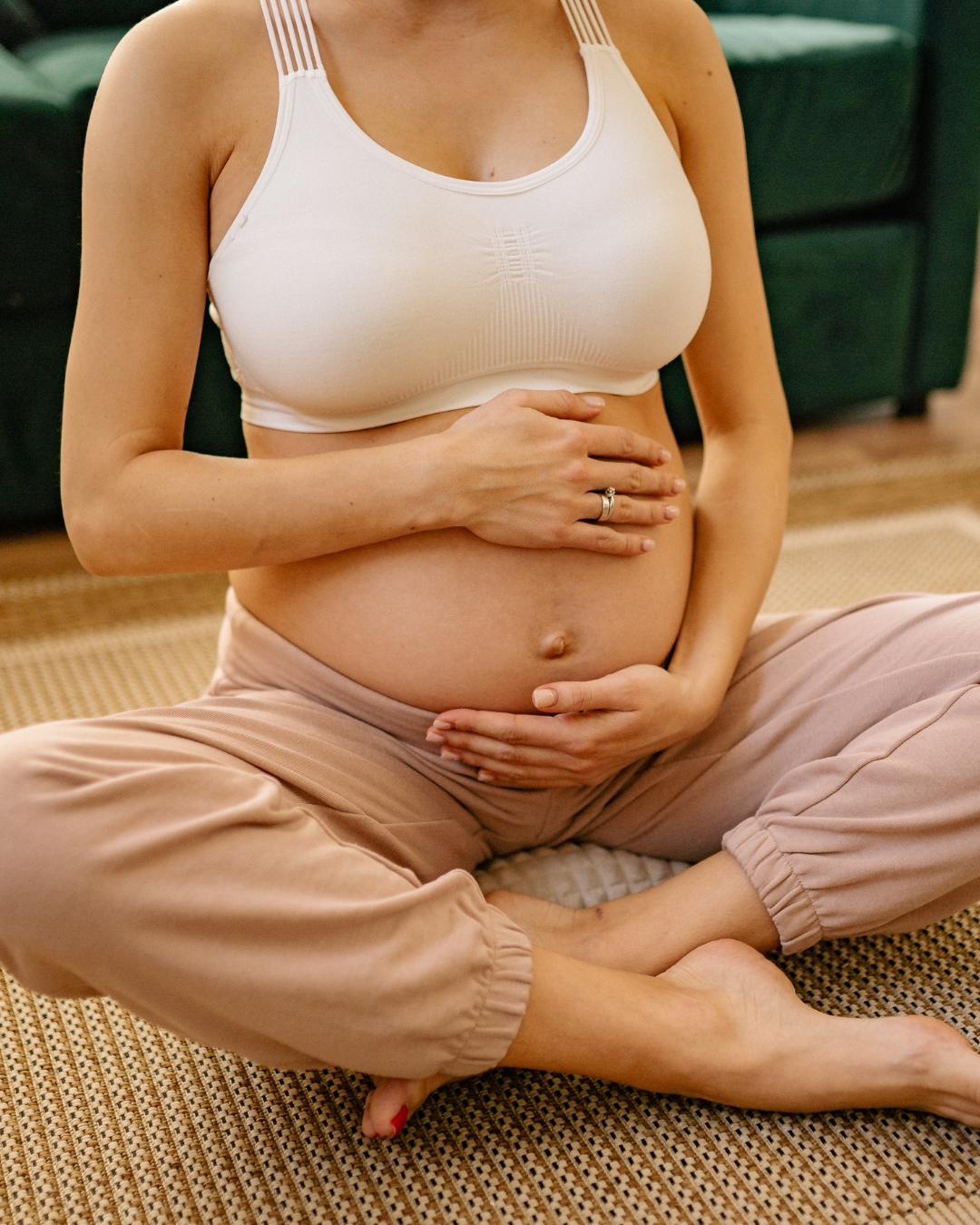
Pregnancy and Hypermobile Ehlers-Danlos Syndrome (hEDS): What You Need to Know
Pregnancy is a unique journey, and for those with hypermobility, it can come with additional challenges. Because connective tissue plays a critical role in nearly every system of the body, hEDS can significantly affect pregnancy, labour, and postpartum recovery. There is not a lot of research on hypermobility in pregnancy, so this article is a combination of clinical experience and the current evidence.

What changes in pregnancy if you have hEDS or hypermobility?
One of the most noticeable impacts of hEDS or hypermobility during pregnancy is increased joint instability.
The body naturally produces the hormone relaxin and increased oestrogen during pregnancy, which loosens ligaments in preparation for birth. For someone with hEDS, whose ligaments are already more lax than average, this can lead to greater joint pain, dislocations, and falls.
These hormonal changes often peak early in pregnancy, which may explain why some people notice a flare in symptoms within the first few weeks.
Pregnant individuals with hEDS may find they require mobility aids or physiotherapy input to manage this instability.
What symptoms are more common in pregnancy with hypermobility?
Another common issue is chronic pain. Weight gain, a shifting centre of gravity, and increased strain on the lower back and hips can all exacerbate musculoskeletal discomfort.
There is a particularly high prevalence of pelvic girdle pain in the hypermobile population (Karthikeyan et al., 2018).
Pain management options may also be more limited during pregnancy, so working closely with a healthcare team to create a tailored plan is essential.
You may notice increased risk of: joint laxity and instability, pelvic girdle pain (including sacroiliac joint and pubic symphysis pain), particularly early in pregnancy, low back pain, hip pain, subluxations (including ribs and coccyx), digestive issues such as constipation and reflux, symptoms of POTS (Postural Orthostatic Tachycardia Syndrome), and pelvic floor dysfunction (including urinary incontinence and pelvic organ prolapse). (Pezaro et al., 2024)
What about cardiovascular and autonomic symptoms during pregnancy for hEDS patients?
While hEDS can complicate pregnancy, many individuals with the condition go on to have healthy pregnancies and babies.
Close collaboration with a multidisciplinary team can make a significant difference, including: obstetricians, pelvic floor physiotherapists, musculoskeletal physiotherapists with an interest in pregnancy and pain specialists.
Can you have a healthy & management pregnancy with hEDS?
While hEDS can complicate pregnancy, many individuals with the condition go on to have healthy pregnancies and babies.
Close collaboration with a multidisciplinary team can make a significant difference, including: obstetricians, pelvic floor physiotherapists, musculoskeletal physiotherapists with an interest in pregnancy, and pain specialists.
Should you prepare differently if you know you are hypermobile?
If you are planning to get pregnant and you know you are hypermobile, prevention and strengthening become especially important.
Building strength and stability before pregnancy can be helpful, particularly because exercise tolerance and capacity may change once pregnancy begins.
Pre-planning is key for making pregnancy as smooth as possible and reducing unexpected flare-ups or symptom changes.
We’re here to help!
Pregnancy with hEDS or hypermobility can be more complex, but it is absolutely manageable with the right support, preparation, and multidisciplinary care.
Understanding your baseline symptoms, planning ahead, and working with the right health professionals can help you stay as strong and supported as possible throughout pregnancy and beyond.
References:
Pezaro, S., Brock, I., Buckley, M., Callaway, S., Demirdas, S., Hakim, A., Harris, C., High Gross, C., Karanfil, M., Le Ray, I., McGillis, L., Nasar, B., Russo, M., Ryan, L., & Blagowidow, N. (2024). Management of childbearing with hypermobile Ehlers-Danlos syndrome and hypermobility spectrum disorders: A scoping review and expert co-creation of evidence-based clinical guidelines. PloS one, 19(5), e0302401. https://doi.org/10.1371/journal.pone.0302401
Karthikeyan, A., & Venkat-Raman, N. (2018). Hypermobile Ehlers-Danlos syndrome and pregnancy. Obstetric medicine, 11(3), 104–109. https://doi.org/10.1177/1753495X18754577
Other Blogs in the Pre/Post-Natal Series
Deep dive into education written by our pelvic physiotherapists, all about your pregnancy and post-natal journey – including symptoms across a range of pelvic health areas, support & management options & emerging research in the pelvic health space.

Genitourinary Syndrome in Lactation

Perineal Massage in Pregnancy: Does It Really Help?


