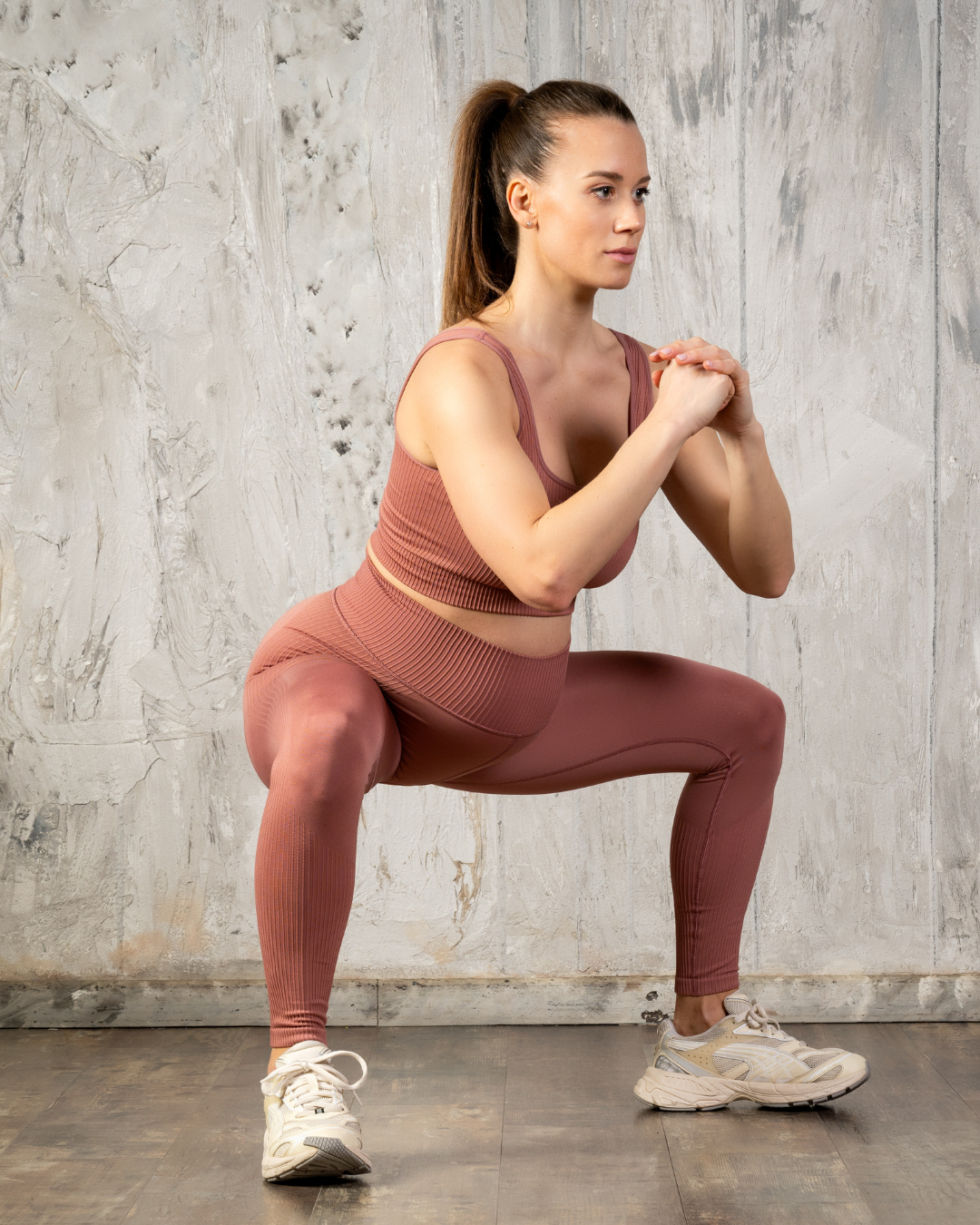
Staying active during pregnancy has numerous benefits for both mother and baby!
Despite this, we get asked every day as pelvic physios whether exercise is safe, whether they need to stop certain activities, or how to adapt their routine as their body changes. Here's everything you need to know about exercising during pregnancy.

What are the benefits of exercise during pregnancy?
Staying active during pregnancy has numerous benefits for both mother and baby!
Exercise in pregnancy can help to:
Improve cardiovascular health – supporting your heart and circulation as your blood volume increases throughout pregnancy.
Reduce pregnancy-related discomforts – including back pain, pelvic pain, and constipation.
Enhance mood and energy – we all know exercise makes us feel good, and during pregnancy is no exception.
Improve health outcomes throughout pregnancy – meeting exercise guidelines throughout pregnancy has been shown to reduce your risk of conditions such as gestational diabetes and pre-eclampsia.
Improve labour outcomes – some studies show that regular exercise throughout pregnancy can help to shorten labour duration, lower rates of interventions and may help with better foetal positioning.
How much exercise should you do during pregnancy?
The RANZCOG guidelines recommend that if you have an uncomplicated pregnancy, you should aim for 150 minutes of moderate-intensity physical activity each week.
What forms of exercise are moderate intensity? That’s going to differ for everybody.
I often like to go on rating of perceived exhaustion (RPE) where 1 is sedentary (not moving) and 10 is maximal effort (I’ve moved more and faster than I ever have in my life). A general rule of thumb is exercising between 3–7 on this scale.
What are our 'rules' for safe exercise during pregnancy?
There are a few general principles that can help guide exercise throughout pregnancy:
Listen to your body – if you feel pain, dizziness, breathlessness, or unusual symptoms that just don’t feel right, stop and seek medical advice.
Avoid high-risk activities – contact sports, hot yoga, or anything with a high risk of falling (like horse riding or skiing) should be avoided.
Modify as you go – your body will change rapidly throughout each trimester. I often say to patients that most of the time your body will tell you when something isn’t serving you anymore, and we need to respect this. Adjust intensity and avoid lying flat on your back for long periods towards the middle of your second trimester.
Stay hydrated and avoid overheating – especially important if you engage in outdoor exercise in the Aussie climate.
Work with professionals – your medical team (including us!) will be able to guide you throughout your pregnancy.
I must stop all core strengthening now I’m pregnant, right?
Incorrect!
Maintaining a strong and functional core during pregnancy offers a range of benefits for both mother and baby. While it’s common to worry about abdominal exercises during pregnancy, safe and targeted core work is very beneficial for supporting the physical changes and demands of this unique time.
A well-functioning core can also help to minimise common pregnancy discomforts such as lower back and pelvic girdle pain.
There are likely some modifications that will need to be made throughout pregnancy, but you can be safely guided through this by your exercise and health professionals.
What symptoms should I look out for when exercising during pregnancy?
If you experience any of the following symptoms when exercising, stop and seek medical attention:
Chest pain
Dizziness, fainting or headaches
Calf pain, swelling or redness
Sudden swelling of the ankles, hands or face
Vaginal bleeding or fluid loss
Decreased foetal movement
Increased incontinence or vaginal heaviness
Uterine contractions or pain in the lower back, pelvic area or abdomen
TL-DR?
Basically, whatever exercise you were doing pre-pregnancy is likely okay to continue to do throughout pregnancy, as long as it still feels good for you to be doing so (in consultation with your medical team). We often see a natural slowing down throughout pregnancy as baby grows, but this is guided by how you are feeling throughout. So if you’re an avid runner, no need to hang up those running shoes just because you’re pregnant!
If you’re unsure where to begin, have further questions about exercise throughout pregnancy, or have pelvic floor concerns with exercise, I’d recommend seeking help from a pelvic health physiotherapist so we can keep you moving throughout your pregnancy.
Other Blogs in the Pre/Post-Natal Series
Deep dive into education written by our pelvic physiotherapists, all about your pregnancy and post-natal journey – including symptoms across a range of pelvic health areas, support & management options & emerging research in the pelvic health space.

Genitourinary Syndrome in Lactation

Perineal Massage in Pregnancy: Does It Really Help?


